← All insights
Chai ya Saa Kumi No More: The Hidden Legal Risks Behind Kenya’s Milk Shortage
The article highlights how national supply chain shocks like Kenya's milk shortage expose critical legal liabilities in commercial contracts, Force Majeure defenses, and agritech data compliance, underscoring the need for businesses to proactively build flexible, legally resilient frameworks.
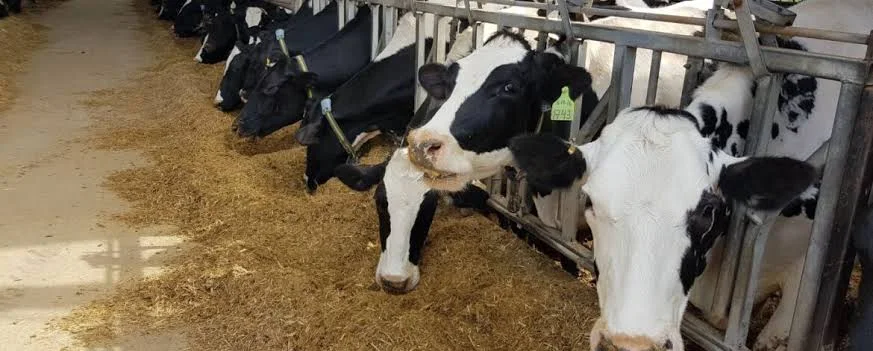
My tea went from three cups a day to barely one and if you live or do business in Kenya right now, I am willing to bet yours did too.
Everyone has noticed the missing milk cartons on supermarket shelves and the rising retail prices. What very few business owners are asking, however, is who is legally on the hook when supply chains collapse?
Formal milk deliveries in Kenya have dropped by over 3.7% in recent months. The culprits being cited are familiar: severe dry spells, skyrocketing fodder costs, and processors stretched to capacity trying to keep retail quotas filled.
But here is the part most commercial operators and agribusinesses miss: this shortage was not an unforeseen surprise.
The Kenya Meteorological Department (KMD) flagged this dry spell as early as May—months before processors began rationing supply. With an El Niño year cycling through and expected rains delayed until October, the supply crunch was officially documented well in advance.
While market commentators blame the weather, legal teams look at the contractual exposures that should have been priced in and drafted for from the start.
Under Kenyan contract law, however, an event must generally be unforeseeable to trigger standard Force Majeure protection. Because the KMD published official forecasts months ahead of time, arguing that drought or dry weather was an unexpected event presents a steep legal hurdle in court.
If your contracts rely on generic Force Majeure language to excuse non-performance during predictable seasonal shocks, you may find yourself in direct breach of contract.
When feed costs surge or yields drop unexpectedly:
In the rush to secure supply, many operators are collecting sensitive personal data—including GPS locations, mobile payment details, National ID numbers, and daily yield data—without establishing full compliance under the Data Protection Act, 2019.
Failing to conduct a Data Protection Impact Assessment (DPIA) or collecting farmer data without explicit, informed consent is not a hypothetical future problem. It is an immediate compliance violation that exposes growing platforms to heavy regulatory fines from the Office of the Data Protection Commissioner (ODPC).
If you manage a dairy enterprise, an agritech startup, or any business operating within modern agricultural supply chains, audit your legal risk by asking three critical questions:
Protect your supply chain and commercial operations today.
Schedule a Consultation with Our Legal Team: https://forms.gle/wnxVVsmwfbPqeBrq5
Everyone has noticed the missing milk cartons on supermarket shelves and the rising retail prices. What very few business owners are asking, however, is who is legally on the hook when supply chains collapse?
Formal milk deliveries in Kenya have dropped by over 3.7% in recent months. The culprits being cited are familiar: severe dry spells, skyrocketing fodder costs, and processors stretched to capacity trying to keep retail quotas filled.
But here is the part most commercial operators and agribusinesses miss: this shortage was not an unforeseen surprise.
The Kenya Meteorological Department (KMD) flagged this dry spell as early as May—months before processors began rationing supply. With an El Niño year cycling through and expected rains delayed until October, the supply crunch was officially documented well in advance.
While market commentators blame the weather, legal teams look at the contractual exposures that should have been priced in and drafted for from the start.
1. Why "Force Majeure" Won't Save Defaulting Suppliers
When a processor or distributor misses a contracted delivery, the immediate defense is almost always Force Majeure—claiming an "Act of God" rendered performance impossible.Under Kenyan contract law, however, an event must generally be unforeseeable to trigger standard Force Majeure protection. Because the KMD published official forecasts months ahead of time, arguing that drought or dry weather was an unexpected event presents a steep legal hurdle in court.
If your contracts rely on generic Force Majeure language to excuse non-performance during predictable seasonal shocks, you may find yourself in direct breach of contract.
2. The Hidden Cost of Fixed-Price & Fixed-Volume Contracts
A significant number of SMEs, aggregators, and retailers sign fixed-volume or fixed-price supply agreements during peak season when production is high and predictable.When feed costs surge or yields drop unexpectedly:
- Suppliers end up forced to deliver at a financial loss.
- Suppliers default and eat severe financial penalties for non-delivery.
3. Agritech & The Unnoticed Data Protection Risk
To mitigate aggregation bottlenecks, milk collection centers and processors are rapidly digitizing supply networks. Farmers are being onboarded onto mobile platforms, smart coolers, and automated payout systems at scale.In the rush to secure supply, many operators are collecting sensitive personal data—including GPS locations, mobile payment details, National ID numbers, and daily yield data—without establishing full compliance under the Data Protection Act, 2019.
Failing to conduct a Data Protection Impact Assessment (DPIA) or collecting farmer data without explicit, informed consent is not a hypothetical future problem. It is an immediate compliance violation that exposes growing platforms to heavy regulatory fines from the Office of the Data Protection Commissioner (ODPC).
Are Your Commercial Contracts Protected Against Market Shocks?
Your contracts cannot assume that a good production year is the standard baseline—especially when bad seasons are forecast on the public record.If you manage a dairy enterprise, an agritech startup, or any business operating within modern agricultural supply chains, audit your legal risk by asking three critical questions:
- Flexibility: Do your supply and procurement contracts feature dynamic price-adjustment mechanisms?
- Liability: Would your Force Majeure clauses survive a court asking, "Didn't you know this dry spell was forecasted?"
- Compliance: Is your farmer data collection compliant with the ODPC, or merely convenient?
Partner with Amasakha-Kioi Advocates
At Amasakha-Kioi Advocates, we help startups, mid-market businesses, and commercial agricultural enterprises draft resilient contracts and build robust regulatory frameworks before market shocks occur not after.Protect your supply chain and commercial operations today.
Schedule a Consultation with Our Legal Team: https://forms.gle/wnxVVsmwfbPqeBrq5
Was this perspective useful?Show your appreciation without creating an account.